
Creating Calm at Home
Dec 21, 2025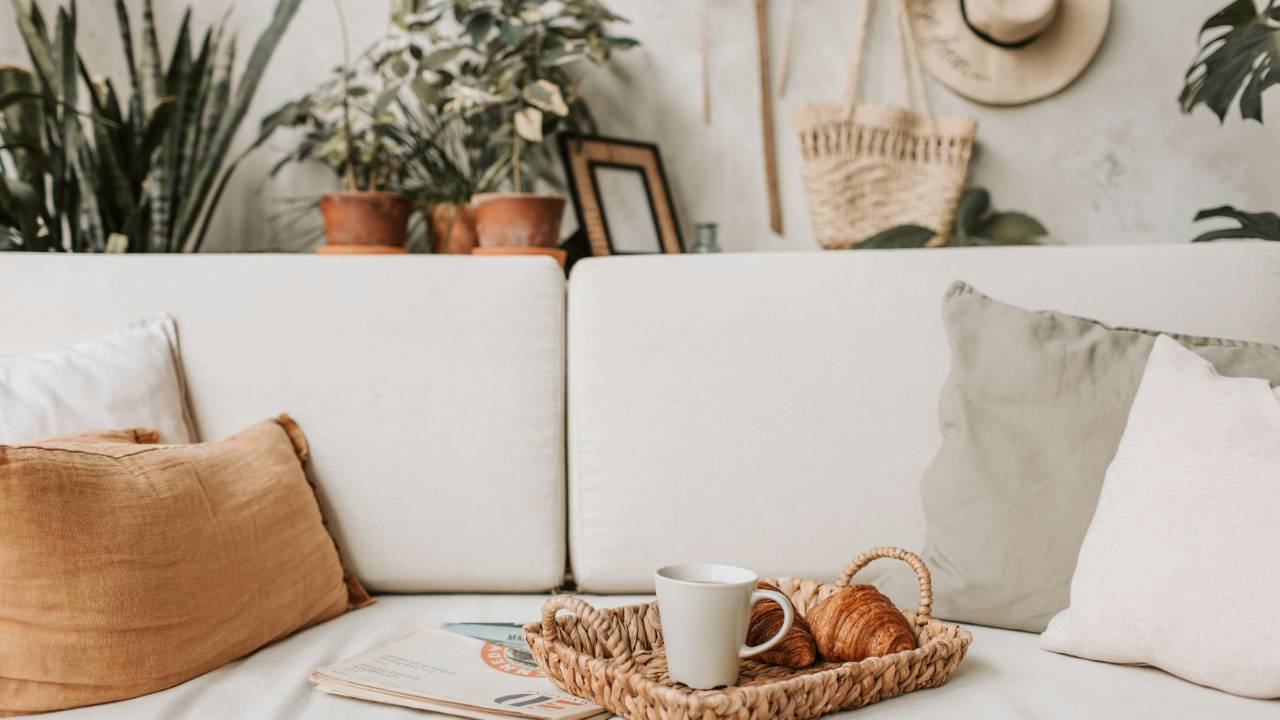
This month, I am sharing a simple, meaningful way to create a restorative environment during one of the busiest times of the year. From calming lighting and natural textures to aromatherapy and gentle design principles, these ideas will help you cultivate a space in the home that feels like an exhale – no matter what’s swirling around you.
 I have continued to travel around to different places this fall but have returned to Southern Arizona for the holiday season. I can recall a family trip to Australia when I was a freshman in high school and how it felt so strange to experience Christmas during a summer season. It’s kind of the same feeling in Southern Arizona in the winter because the temperatures still reach the 70’s-80’s many days and the sun is almost always out with blue sky overhead. It is a stark contrast to the past few winter holidays where I was living in the Catskill Mountains of the northeastern US.
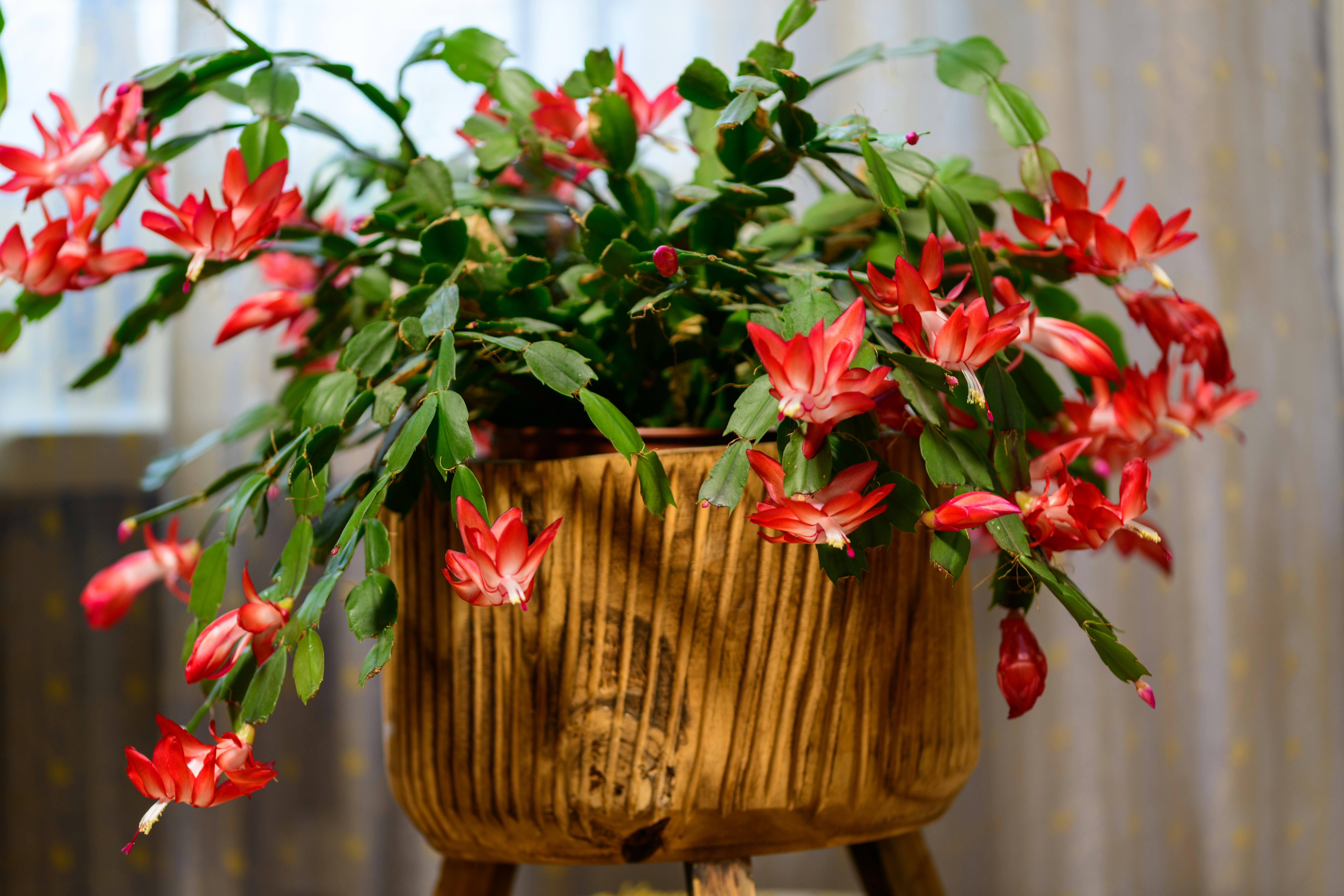 I feel that this holiday season, creating space and time for rest and regeneration is more prevalent than past seasons for me. In part because of the constant travel and moving around to separate locations, but also because of the energy and attention required for the many moving parts of various freelance work and business development activities. In addition, I have some emotional healing to tend to after a separation from my fiancé earlier this year and reflections and processing of life circumstances, decisions, and trajectories that will be most aligned with my authentic self.
What has become especially encouraging over the past couple of months is the development of deeper connections with other female entrepreneurs and business owners, providing me a greater sense of community and motivation to continue important work that supports other women with their goals. The times of accelerated engagement can instill gratitude for genuine connections, but also a bit of overwhelm. It seems timely to have the holidays connected to the winter solstice and the welcoming of a new season that encourages rest, a little bit of dormancy, and renewal.
 I celebrate each of the solstices and equinoxes throughout the year to help me pace elements of living and business activities. The winter solstice gives nature time for hibernation and dormancy, and I appreciate borrowing that sensibility as much as viable in my own life. Though the holiday season that kicks off winter can tend to be a remarkably busy time with additional events, gatherings, and festivities, it is important to create space for calm amidst the chaos. The nervous system can be on overdrive during times of overstimulation, impacting mood, the ability to focus, and increasing stress. I think it is useful to have a space in the home that can serve as a restorative sanctuary during the holiday rush.
 When designed with intention, a space within your home environment can soothe your nervous system and restore your energy. Some basic concepts and design principles that imbue the psychology of calm spaces include soft lines, neutral tones, warm textures, quiet acoustics, diffuse daylight, water elements, and soothing aromas. Making connections between elements of the environment with each of your senses helps to regulate your nervous system by bringing your mind back into the body and grounding yourself in the present moment.
 A popular version of this concept, especially for the winter season, is borrowed from the Danish culture and known as hygge. Hygge is associated with creating a cozy, warm, and joyful feeling by means of the elements in a space and the rituals affiliated with them. For example, having a soft wool knitted throw blanket and cup of hot cocoa or tea while sitting next to a wood-burning fire is a form of hygge – making one feel relaxed, calm, and at ease. This concept is primarily focused on the feelings one experiences, not necessarily the objects or things that help create those feelings. But from a design perspective, we must consider the elements that will encourage and engage certain rituals and feelings.
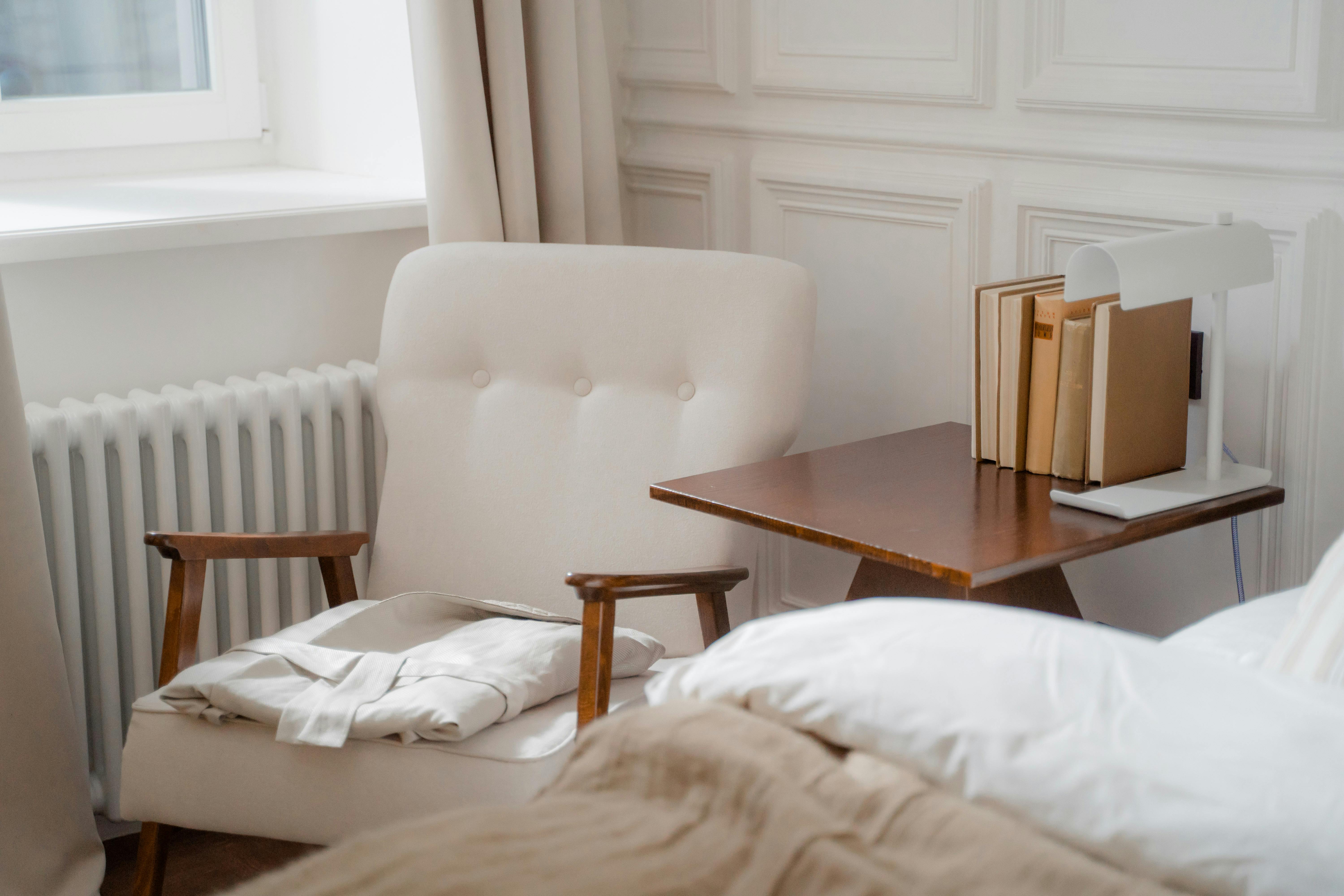 Let’s consider five general principles to address when creating a calm sanctuary space within the home: 1) softening the visual field, 2) designing with light, 3) aromatherapy for wellbeing, 4) textures that soothe, and 5) acoustics for sensory harmony.
Softening the visual field requires that we first have an uncluttered space – consider each micro-zone within a space and whether it is holding too many objects or clutter. All surfaces should be cleared and items stored out of view (in cabinets, drawers, closets, etc.) with only essential objects that are considered beautiful or most useful remaining. Utilize decorative trays or bowls to gather objects into consolidated micro-zones. Try to minimize the number of objects on any given surface to no more than three. Maintaining minimal décor and simplicity will reduce overstimulation for a more restorative feeling.
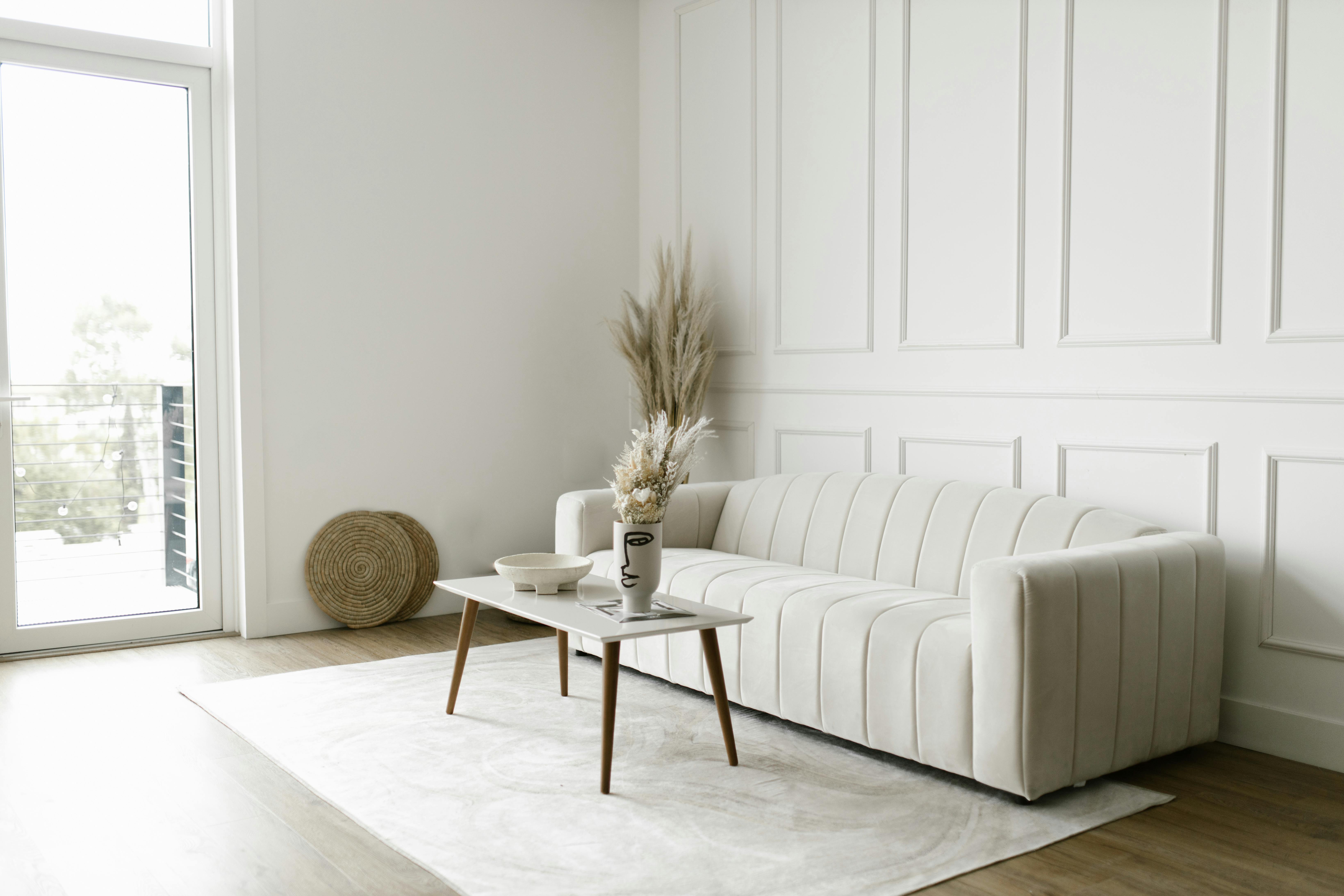 Another way to soften the visual field is through color palettes with minimal contrasts. You can look at nature’s color palettes at the place we live and borrow from that, since we’ll arrive at a plethora of creams like sand, oat, and warm gray. You’ll also find a range of organic browns as well as blue tones from water or sky. These combinations will quiet the mind and connect you to the earth.
Next, the quality of light within a space can create a sense of ease and warmth when designed properly. Try to avoid harsh lighting and bright contrasts, which can be jarring and disruptive to quieting the mind. First, consider the space you will use for your calm sanctuary and whether it has access to natural daylighting by window or skylight. If so, identify the orientation of the daylight view - east-facing or west-facing windows will receive direct daylight at sunrise and sunset respectively while south-facing windows (for the northern hemisphere) will receive direct daylight throughout the day in winter months due to the low altitude angle of the sun this time of year. Plan accordingly and consider what time of day you might be making use of your calming retreat space (evenings can be beneficial for a wind-down pattern before bedtime). Add blinds or window treatments that will enable you to control the daylight quality, keeping in mind you want to reduce direct light and create more diffuse conditions.
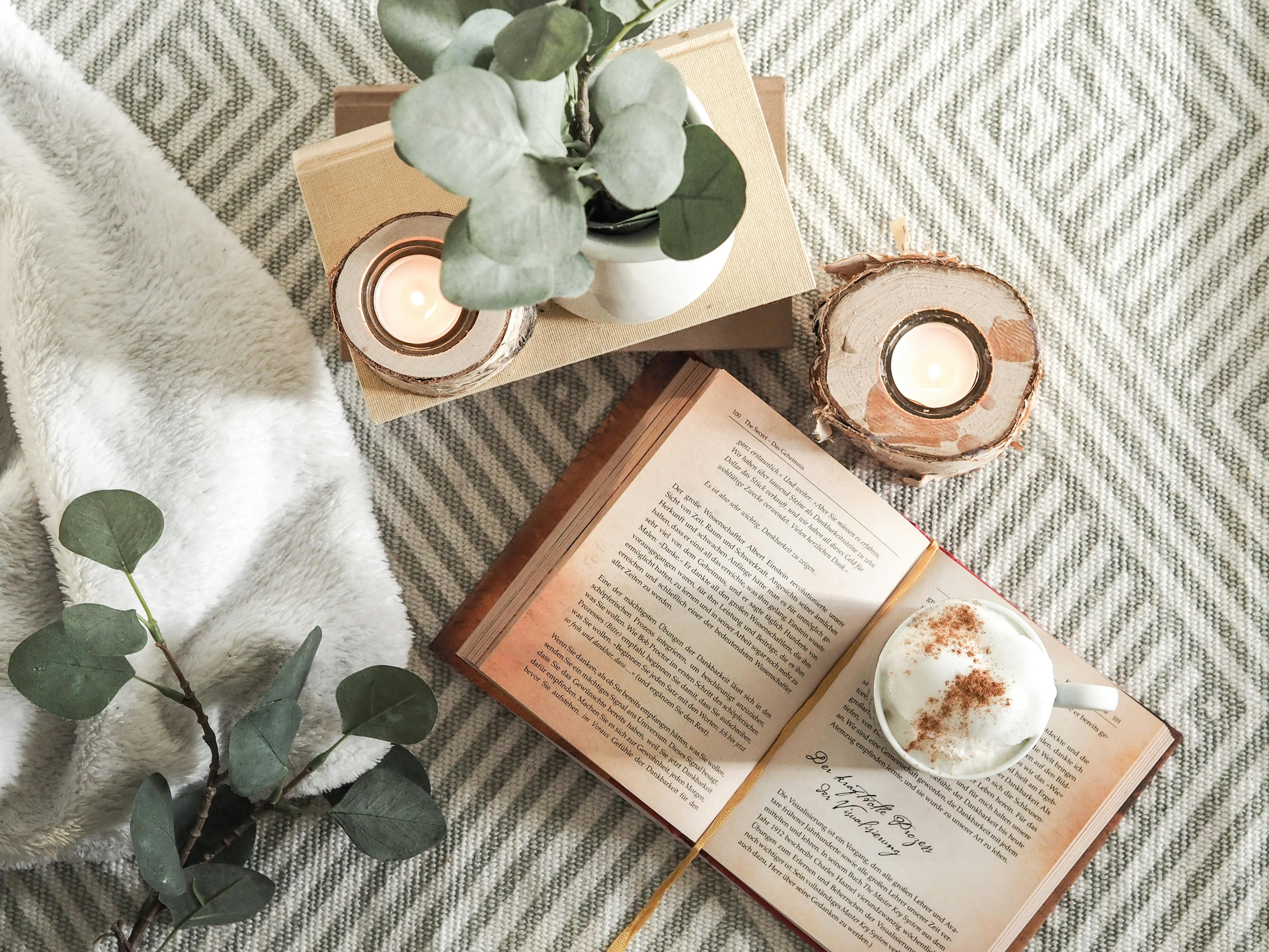
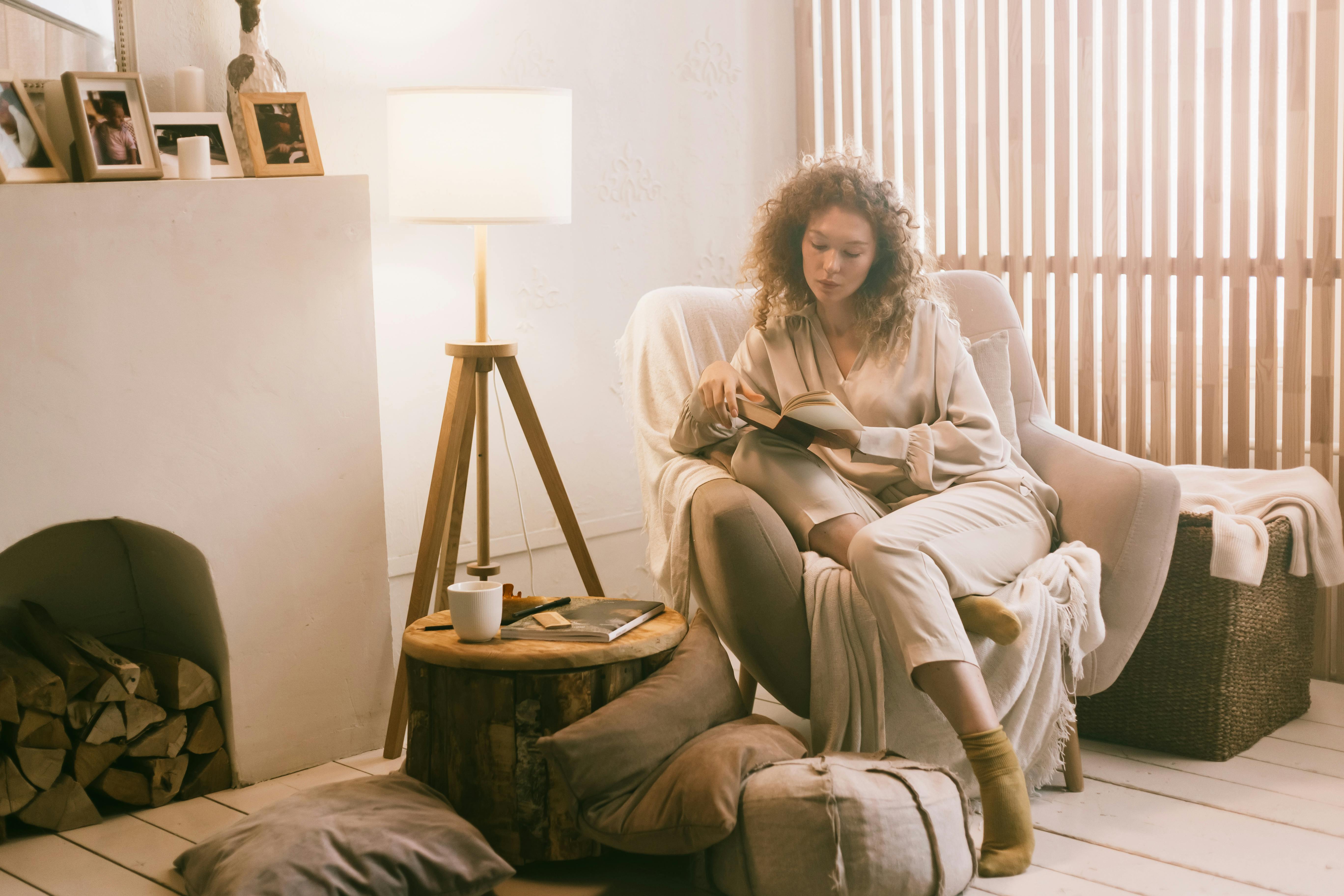 For artificial lighting, swap out any bright white bulbs for warm, dimmable bulbs. Create a layered lighting effect in the space with a combination of a table or floor lamp, soft accent light, and window glow. You can enhance the ambiance with candlelight or fireplace warmth. The subtle flickering light signals the ventral vagal state of the nervous system for steady heart rate and emotional regulation. If you are using candles indoors, opt for the clean-burning types such as soy, beeswax, or coconut-based candles to reduce micro-particles and airborne soot. Fireplaces should be properly vented.
 While candles are common during the holiday décor, you can also infuse scent into the air with other aromatherapy diffusers. The benefits of aromatherapy for your mood and wellbeing connect directly to the sensory factors of scent and smell for emotional regulation. Different scents will provide unique emotional and mood benefits. Cedar, vetiver, and sandalwood can be grounding; citrus, mint, and eucalyptus can be uplifting; while vanilla, amber, and bergamot can be comforting. If you are not yet familiar with a given scent, it is best to smell a tester in-person at a retail store to see whether it appeals to you and what effect it has for you. People tend to experience scent and smell differently and some have certain sensitivities. You should also be aware of scents that may be semi-toxic during pregnancy or potentially causing rash when applied directly to your skin. I recommend pure essential oils from ethically sourced processes (check labels or brands), which can be diluted in water of a diffuser device.
 The fourth principle for creating a calming space in the home is the integration of soothing textiles. Just like color and smell, tactile materials bring forward their own associations in your psychology. Materials and textiles that are composed of natural elements from the earth, plants, and animals, will tend to be the ones that resonate more grounding harmony in human experience. These include items made from wood, stone, and clay ceramics. Soft fabrics for throw rugs, blankets, and furnishings might include natural wool, linens, or cotton. Consider décor that is also natural, such as woven baskets, ceramic pottery, linen lampshades, alpaca knits, etc. Try to avoid plastics all together and reduce the amount of metal in a calming space. Metal elements do provide health benefits, but in this case, we will minimize the vibrational and highly conductive sources since the goal is to settle and store energy rather than move it through the space.
 Finally, let’s choreograph quiet and calm acoustics for more silence, peace, and harmony within the retreat space. This is one of the most important variables for quieting the mind and calming the body. During the holiday season, if there are house guests and extra family members present, it can be more difficult to control the noise in the environment. Designating a space that can be partitioned or fully enclosed and separated from other parts of the house will help to reduce and control auditory input. Integrating more textiles and soft fabrics within the space will also help to absorb ambient noise and harsh sounds. Creating an auditory experience that is enjoyable by playing relaxing music at low volume can enhance the overall benefits of your time in the space. You might also consider engaging with a meditation practice in the space.
 While every room in the home will not be designed for calm, I hope you can identify a designated space for your mini-retreat and combine it with a daily ritual for recovering and renewing your energy. When you are feeling overstimulated by the holiday rush, gatherings, and busy schedule, spending time in a restorative environment will certainly benefit your overall wellbeing. And remember, this act of design is not about redecorating or perfecting some vision of seasonal minimalism but rather creating the backdrop and setting for rituals of renewal for your mind, body, and spirit. This could become the new anchor to your day beyond the holiday season, bringing you greater peace of mind year-round.
If you are interested in improving the design of your home or workspace for better health and wellbeing, reach out to AIDA, LLC today for a consultation. You can always find more information and healthy home resources at Aletheia Ida Design Atelier, LLC (AIDA, LLC) at www.aletheiaida.com.